
Bushnell · exact Amazon product
View on Amazon Buyer-intent collection
Mapped front, center and back distances for golfers who want hole context. Use the catalog first, then the supporting guides to verify tradeoffs before buying.
As an Amazon Associate, we may earn from qualifying purchases.Check GPS Golf Range Finders on AmazonExact products
Exact product pages show the model and Amazon destination. Availability and included accessories can change by variation.










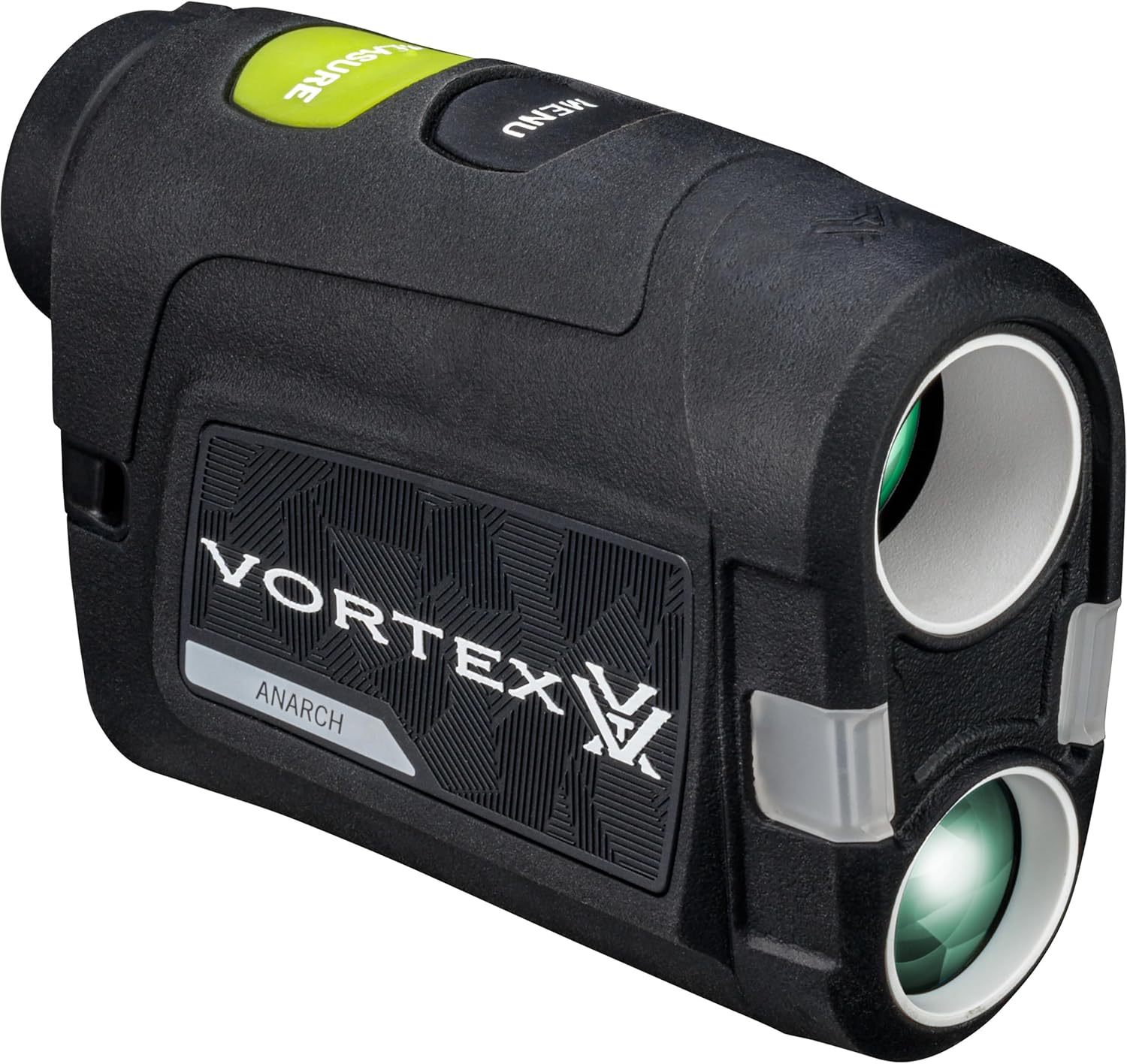
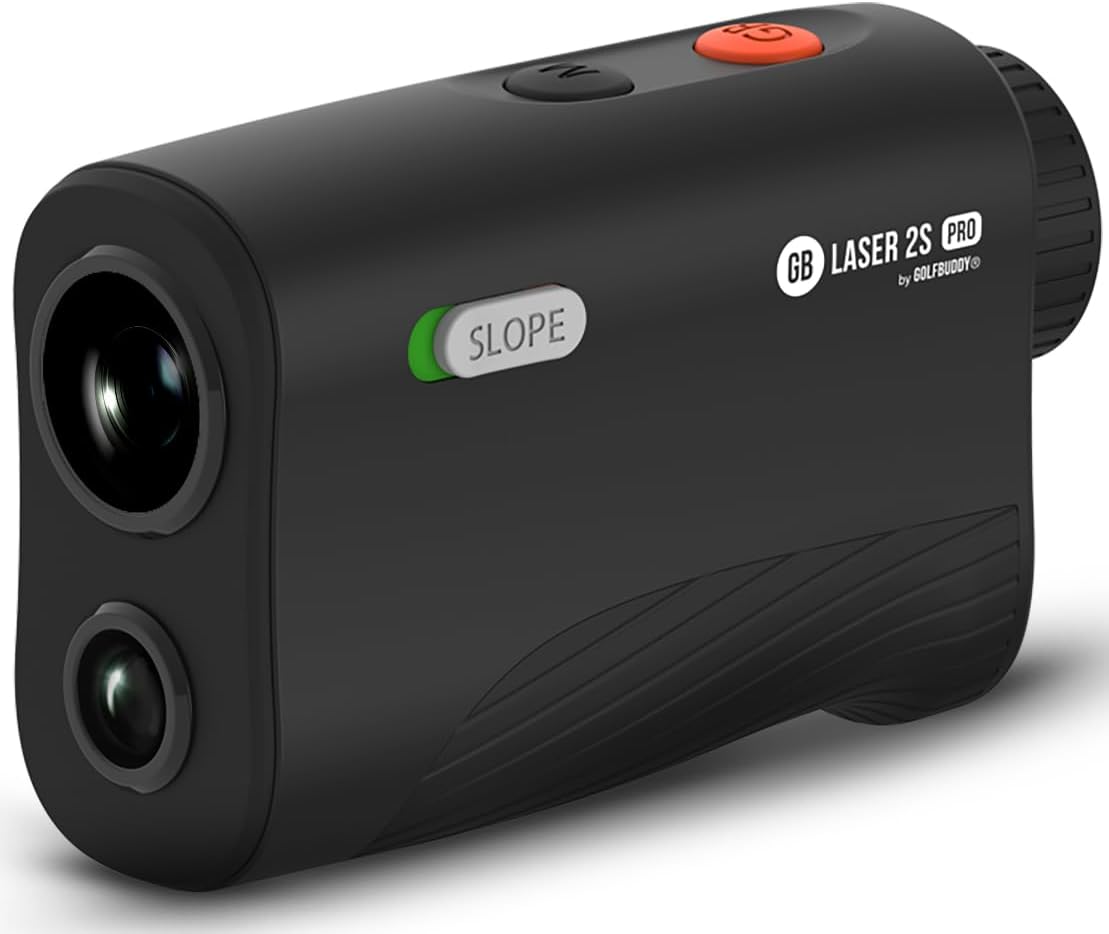


Full buying guide
Mapped front, center and back distances for golfers who want hole context. Compare optical clarity, flag acquisition, display visibility, controls, battery system and the visibility of any slope mode. Maximum advertised range is not a substitute for reliable pickup on a small flag.
A laser golf range finder cannot measure a flag hidden by a hill, trees, buildings, or a dogleg because it needs a direct optical path. For a blind shot, use mapped GPS front, middle, back, and hazard distances, a course guide, and a safe aiming landmark. Never fire the shot merely because a map provides yardage; first confirm the landing area is clear using course signals, a spotter, or an allowed safe viewpoint.
paaA useful golf GPS range finder review should test course-map accuracy, front-middle-back labels, hazard coverage, satellite lock, sunlight readability, battery through a full round, hole advancement, update policy, subscriptions, and offline behavior. Compare endpoints correctly: a GPS center value is not supposed to match a laser aimed at today's front pin. Choose a watch for glanceable access, a handheld for larger maps, or a hybrid laser for exact visible targets plus course context. Require testing across several updated courses, not one favorite layout. The reviewer should state the map version, phone and firmware used, enabled battery settings, weather, and whether premium features require payment. Look for correction speed when the unit picks an adjacent hole and for core distances after cellular service and Bluetooth are turned off. These details expose real ownership friction that a preloaded-course total or glossy map screenshot cannot reveal. Any ranking without outdoor screen tests and a complete-round battery run is incomplete.
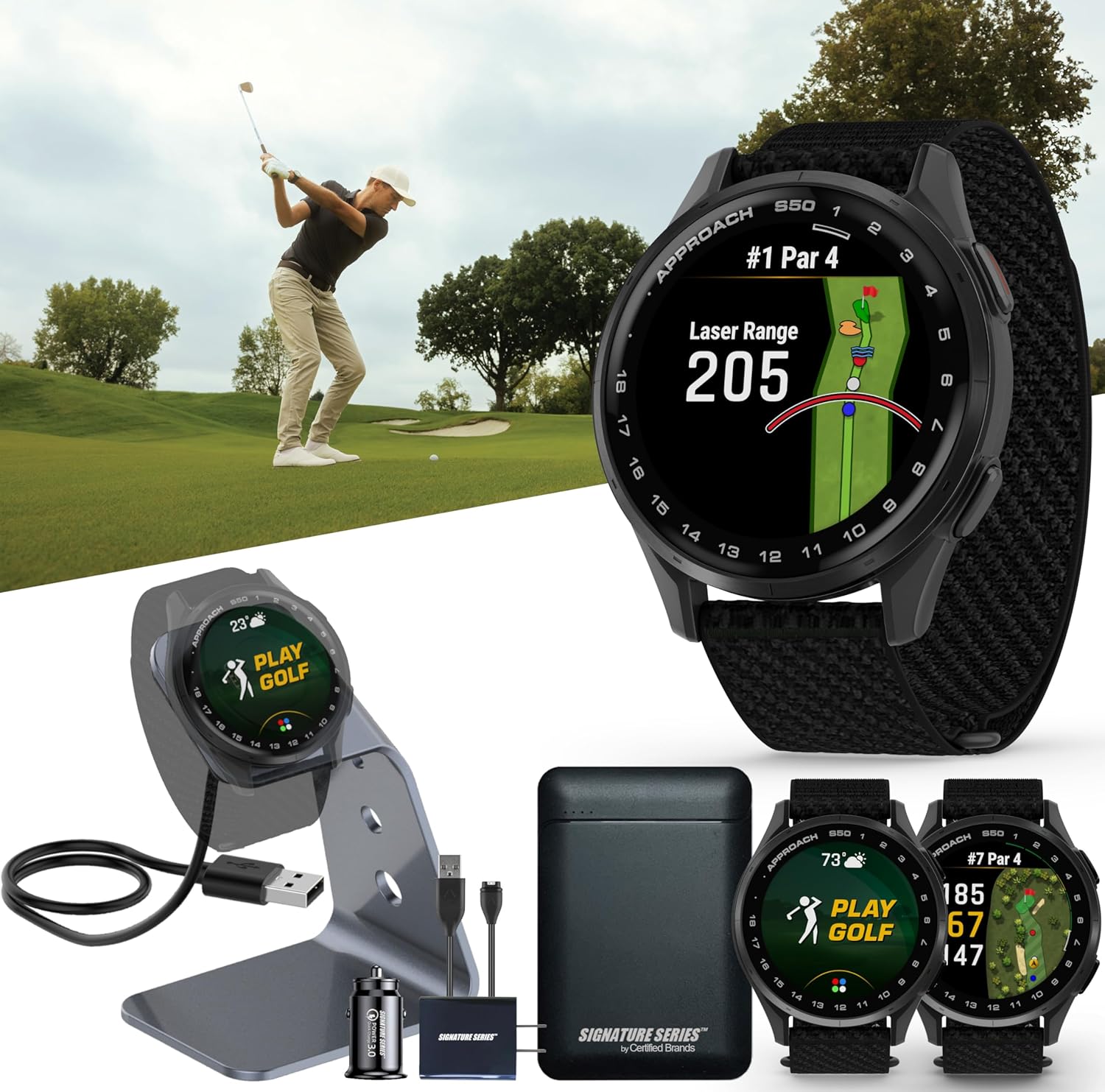
reviewThe Garmin Approach Z82 is best understood as a hybrid for golfers who want to connect a laser-selected point with broader hole geography. Its justification is strategic context on unfamiliar courses, not the idea that more data automatically produces better shots. It can be excessive for players content with a direct flag reading or a separate watch they already use comfortably. Revisit several unfamiliar holes and identify whether uncertainty came from distance to a visible object or from not understanding what surrounded it. Many lasers solve the first problem; the second gives this hybrid a reason to exist. Buyers must also price in preparation—power, course data, software familiarity, and any connected setup shown in current documentation. That upkeep is worthwhile for a traveler using spatial context to choose safer landing areas. It is needless friction for a home-course player whose current watch already supplies an adequate map.
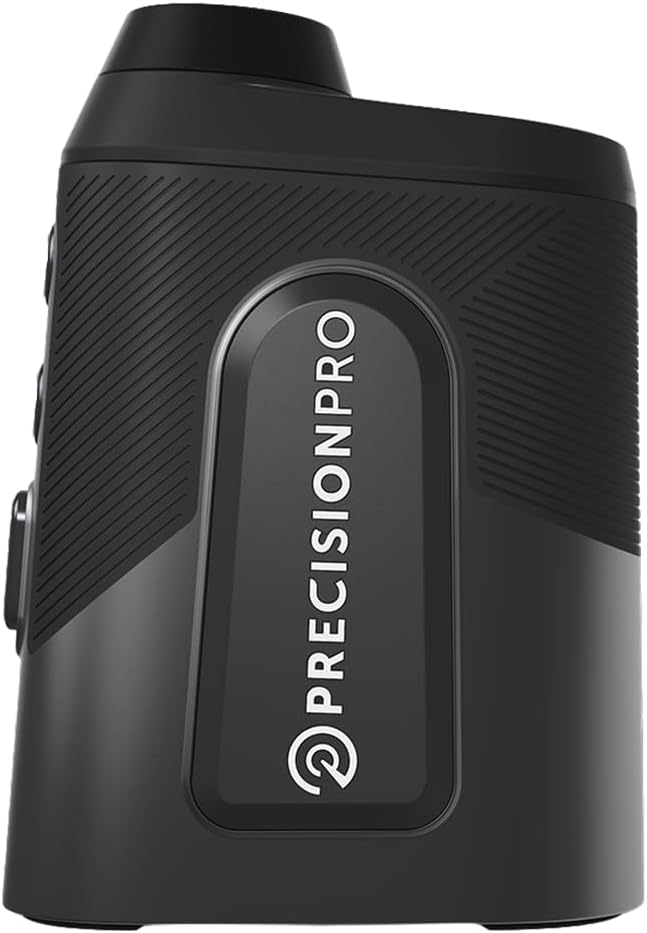
reviewThe Precision Pro Titan Elite is a fit-first choice for golfers who already organize pre-round preparation and want connected context to join a laser routine. The value equation depends on adopting the surrounding workflow, not merely owning capable hardware. Players who avoid phone-dependent setup or need only direct yardage should compare a simpler Precision Pro option before paying for connectivity. Try a one-week ownership rehearsal: mimic the charging check, phone readiness, app opening, secure storage, and pre-round review that the exact documentation may require. A golfer who finds that natural is likelier to unlock the proposition. Someone irritated by rehearsal has learned that a focused laser may receive more use. Direct targeting, contextual information, personal carry data, and risk strategy should each have one job. Blurring those jobs creates more numbers without producing a better decision. Current official material and the precise retail variant must define compatibility and included services.
comparisonGarmin Approach Z82 makes the stronger case for a golfer who already likes Garmin's map-led planning and wants one view that connects the flag to the hole around it. Voice Caddie SL3 is the more natural alternative for a buyer drawn to its own visual presentation and operating rhythm. Neither is automatically the sensible upgrade from a plain laser: the extra course context earns its keep only when you consult hazards, green shape, or blind-shot information often enough to accept a busier device.
listicleA GPS golf rangefinder earns its place by showing useful context that a flag-only reading misses. Garmin Approach Z82 is the natural fit for golfers who want laser aiming inside a mapped-hole view, Voice Caddie SL3 is the alternative for shoppers comparing another laser-and-GPS interpretation, and Precision Pro Titan Elite suits players drawn to a connected ecosystem. Choose the information format you will consult on ordinary holes, then verify current course support, app requirements, and included accessories on the exact listing.
reviewThe Bushnell Phantom 3 Slope suits golfers who prefer a quick GPS glance to aiming through a laser. Its strength is mapped course context—such as broad green and hazard references—combined with slope-informed planning where allowed. Its limitation is equally important: it does not laser-confirm the precise flag. Buy it when mapped positions answer more of your normal questions than an optical point-and-shoot routine, and verify current course coverage, charging contents, software requirements, and exact model condition.
paaChoose laser when you want exact distance to a visible flag or feature and do not mind aiming. Choose GPS for instant front, middle, and back yardages, hazard context, or information on a blind shot. Laser requires no course map; GPS depends on satellite reception and current mapping. A hybrid approach helps frequent travelers, while a simple laser suits players who mainly need pin distance.
paaA handheld golf range finder can be a laser monocular, a screen-based GPS unit, or a hybrid. Choose laser for exact visible targets and long battery intervals; choose GPS handheld for larger front-middle-back displays, hazards, and blind shots; choose hybrid when both information types justify higher cost and setup. Compare grip, screen or eye relief, weather protection, case access, power, and tournament controls. The best handheld answers one shot question quickly without requiring a phone on every hole. Test the complete motion from case to number with gloves and normal glasses. A laser should acquire a cluttered flag several times without fingers covering its apertures; GPS should correct a wrong hole in a few clear actions. Include the carry system and charging plan in the comparison. Pocket dimensions are irrelevant when the case swings into clubs or a color map cannot finish eighteen holes.
comparisonChoose between the Bushnell Phantom 3 Slope and Garmin Approach G12 by ecosystem and everyday handling, not by expecting either to produce a laser-confirmed flag number. The Bushnell case centers on its Phantom-style interface and slope-aware course planning; the Garmin case rests on the Approach ecosystem and its own navigation choices. Verify the exact versions, mapped-course support, update process, charging package, clip or mount, and active-feature rules before comparing current offers.
comparisonChoose between the Garmin Approach S12 and Shot Scope G5 by defining what “simple” means on your wrist. Garmin is the better starting point for a golfer attracted to the Approach ecosystem and a focused distance-reference routine. Shot Scope deserves priority when its golf workflow, presentation, and broader product context fit how you already review a hole. Neither GPS watch replaces an exact laser to a visible target; both should be judged on readable course context, navigation burden, app tolerance, and the likelihood that the golfer will wear and maintain it.